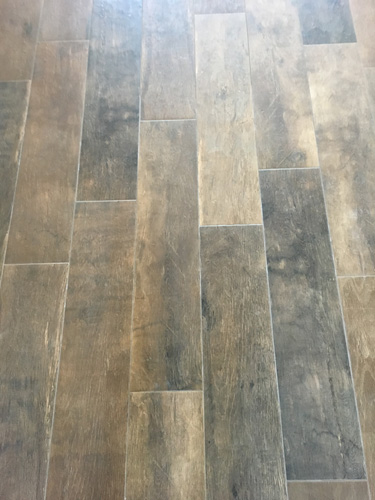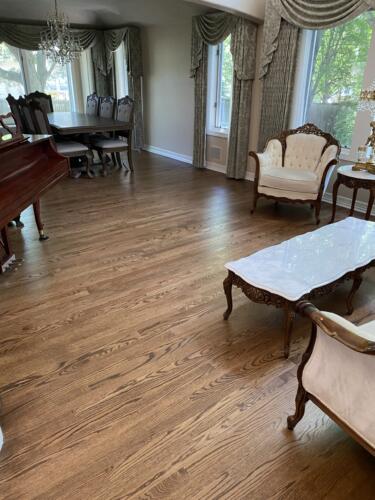
Luxury Vinyl Plank (LVP) Flooring in Denver
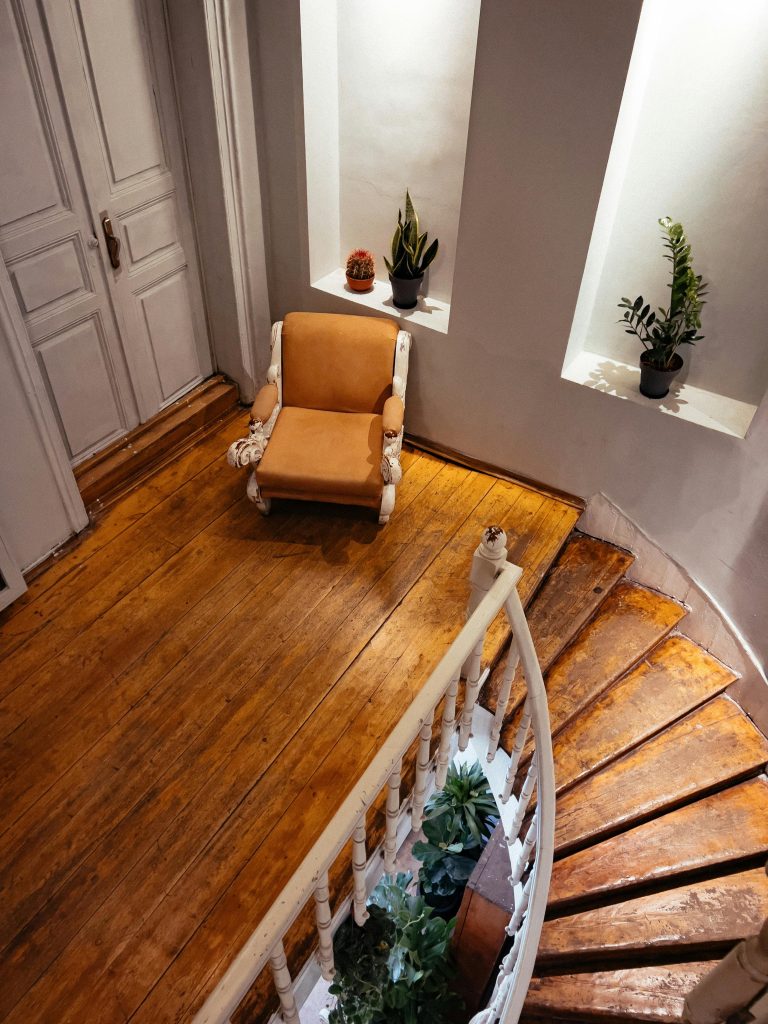
Luxury Vinyl Plank Flooring in Denver Done Right
If you’re looking at LVP, you’re probably after the same thing most homeowners are, a floor that looks clean, handles real life, and doesn’t make you babysit it.
Luxury vinyl plank flooring has earned its place in Colorado homes for a reason. It’s durable, it’s water resistant, it’s easier to maintain than wood in the wrong spots, and it works especially well in basements, busy kitchens, rental properties, and homes with pets.
But here’s the part people don’t tell you. LVP is only as good as the install. If the subfloor isn’t flat, the floor will feel hollow. If transitions are sloppy, it looks cheap. If the wrong underlayment gets used, you can trap moisture and create problems you didn’t have before.
New Horizons Flooring is family-owned, local, and we install LVP flooring across the Denver metro with the prep and detail that makes it feel like a real upgrade, not a shortcut.
Where LVP Flooring Makes the Most Sense
We’re not going to tell you LVP is the answer for every room. It’s not. But in the right spaces, it’s a smart move.
Basements
This is where LVP shines. Concrete slabs hold moisture even when they look dry, and LVP handles that environment better than solid hardwood. It’s also warmer and quieter underfoot than tile when it’s installed correctly.
High-traffic family homes
If you’ve got kids running through the kitchen, dogs that treat the hallway like a racetrack, or just a house that gets used, LVP holds up without constant worry.
Rental properties and remodels
It’s a practical floor that looks clean, installs efficiently, and doesn’t punish you for day-to-day wear. When the goal is performance and value, LVP is usually in the conversation.
Main levels with mud, snow, and grit
Colorado winters track in sand and salt. LVP is easier to live with in entries and main paths because it cleans up fast and doesn’t need special care.
What Makes an LVP Job “Good” vs “We’ll Regret This”
Most LVP failures aren’t product failures. They’re install failures. Here’s what we focus on so the floor performs the way it should.
Flat subfloor prep
This is the big one. LVP needs a flat surface. Not “pretty flat.” Flat. If it’s not, you get movement, noise, visible seams, and weak locking joints. We level where needed and we don’t pretend it’s fine if it isn’t.
Clean transitions and doorways
A lot of LVP jobs look bad at the edges, reducers everywhere, weird height changes, sloppy cuts around jambs. We plan transitions so rooms flow and the floor looks intentional.
Right underlayment for the situation
Some LVP products have pad attached, some don’t. Some slabs need moisture mitigation, some don’t. We match the system to the space so you don’t create moisture issues or a “spongy” feel.
Expansion gaps and finish details
LVP still moves. If a crew pins it tight to the walls, you’ll see problems later. We leave the right gaps, finish cleanly, and avoid the common shortcuts that cause buckling.
Luxury Vinyl Plank Flooring Styles That Actually Work in Denver Homes
Most people want one of two looks.
A clean wood look Light oaks, warm naturals, and mid-tone browns are popular because they’re forgiving and they work with almost any wall color. They also hide grit and dust better than super dark floors.
A modern, quieter tone Some homeowners want a cooler tone, but not that flat gray that makes a house feel sterile. We’ll help you find something that still feels warm in Colorado light.
If you’re not sure, we bring samples and help you choose based on your lighting, your layout, and the rooms you’re connecting.
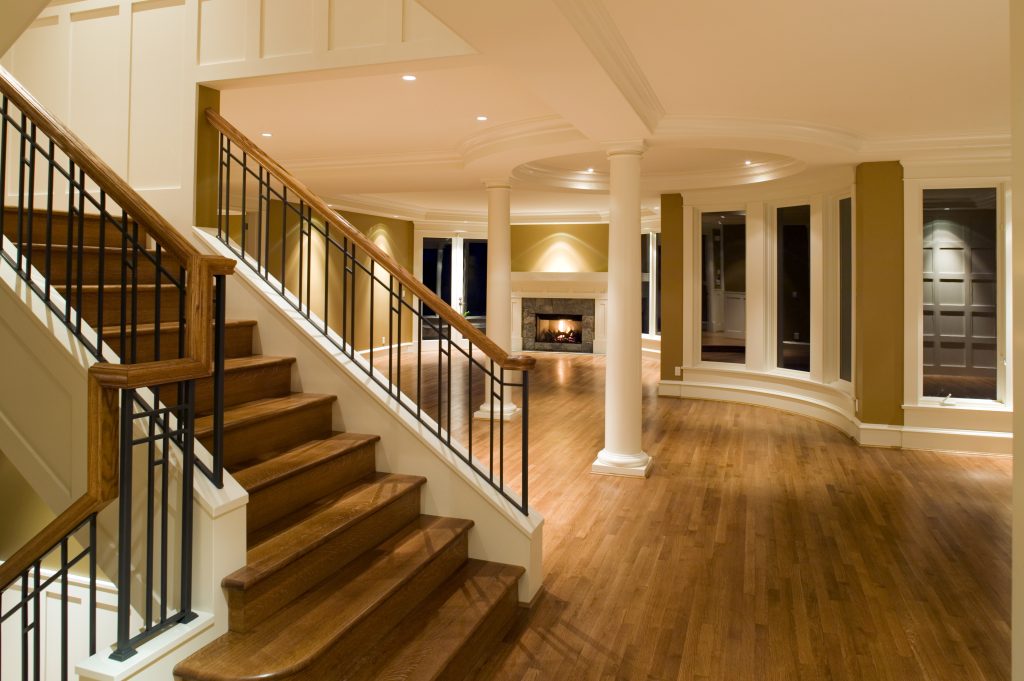
How Luxury Vinyl Plank Installation Works With Us
We keep it straightforward.
First, we walk the space
We look at the slab or subfloor, check for high spots, dips, moisture risk areas, and transition issues. We’ll tell you what needs to be prepped and why. Then, we prep
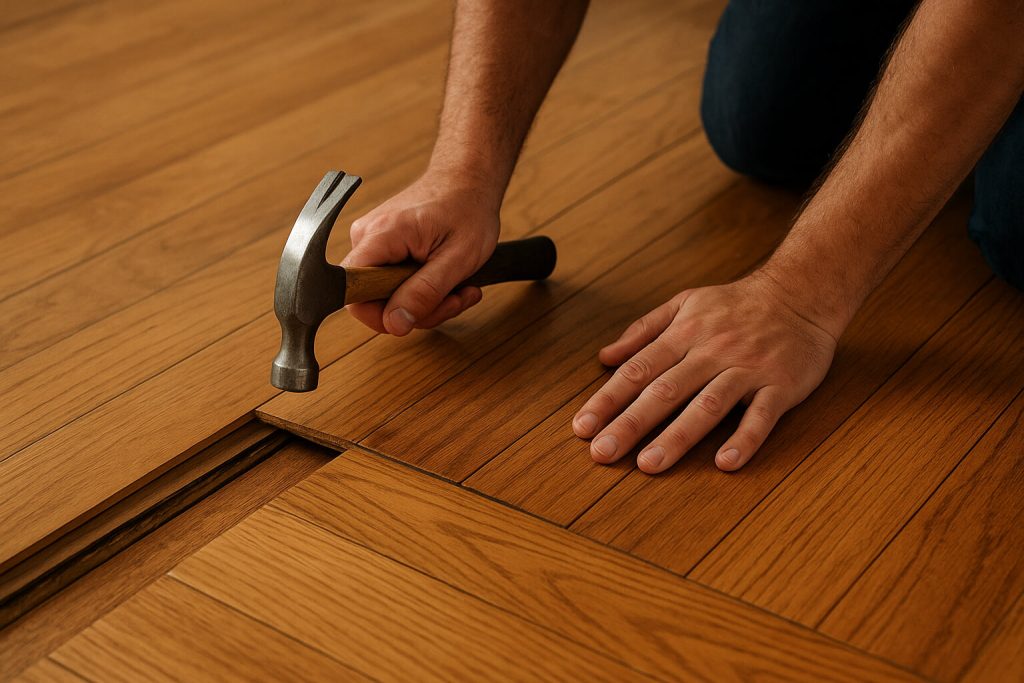
If it needs leveling, we level. If it needs moisture mitigation, we talk through options. This is where the job is won or lost. Then, we install Straight layout, clean cuts, tight seams, correct expansion, and attention to edges. We treat the details like they matter because they do. Then, we finish and walk it with you We handle trim, thresholds, and final cleanup. You’ll know what to do and what not to do so the floor stays looking good.
Service Area
We install luxury vinyl plank flooring across the Denver metro, including Denver, Arvada, Littleton, Westminster, Thornton, Broomfield, Highlands Ranch, Erie, Louisville, Superior, Northglenn, and Lakewood.
Common Questions About LVP Flooring
Many LVP products are water resistant, and some are marketed as waterproof. The bigger issue is what happens underneath. LVP can handle spills, but if you’ve got an ongoing moisture problem, we need to address that before installing anything.
Yes, it’s one of the best options for basements when installed over a properly prepped slab. It’s practical, durable, and handles typical basement conditions better than many alternatives.
It can, if the subfloor isn’t flat or the wrong underlayment is used. A properly prepped install feels solid. That’s why we focus so hard on prep.
Sometimes. It depends on what’s there and whether it’s flat and stable. We don’t recommend covering problems. If the old floor is uneven or failing, it needs to come out.
Most jobs are a few days depending on square footage, prep needs, and transitions. Prep can add time, but it’s also what prevents issues later.
Keep grit off it, vacuum regularly, wipe spills, and avoid harsh cleaners. LVP is low maintenance, but it’s not “no maintenance.”
Get a Quote for LVP Flooring
If you want LVP flooring that looks clean and feels solid, the job starts with prep and ends with details that don’t look like an afterthought.
Call New Horizons Flooring to schedule a walkthrough and quote. We’ll tell you what makes sense, what doesn’t, and what it’ll take to get the floor right.